Reviewed · HALF-DAY
Half-Day Premium Ice Climbing in Pyhä Lapland
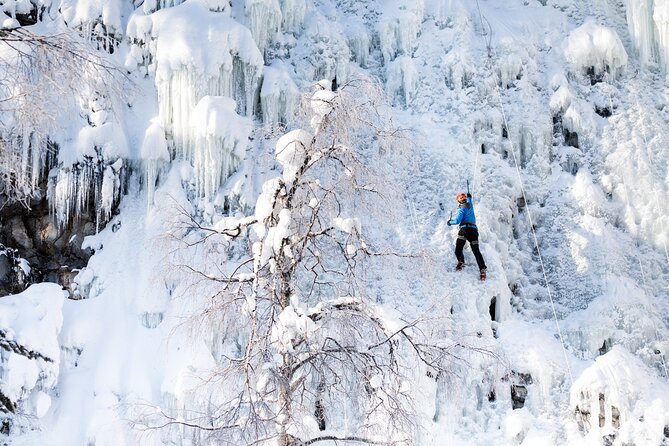
The best part of this half-day ice climb is the amount of time you get on the wall. This is not a quick photo stop followed by a long wait. At Tajukangas, a guide belays you one at a time, coaches your footwork and ice-axe use, and may give you several ascents during the four-hour session. I like the small maximum group of eight, and I like the simple Arctic rhythm: climb, warm up beside the fire, drink hot berry juice, then climb again.
I also like that the session works for first-timers without feeling basic for long. Guides such as Inessa, Joonatan, Kai, and Redar have helped beginners feel secure while also giving experienced climbers more technical advice. The main catch is physical demand: your arms and legs can be tired by the end, and you must bring suitable winter clothing because that is not included.
In This Review
- Key points to know before you book
- From CAMP Kitchen & Bar to the ice wall
- Tajukangas gives the session a proper base camp
- Your first climb: safety before height
- Four hours means time to improve
- Warm-up breaks are part of the experience
- How difficult is the climb?
- Who will get the most from this Pyhä activity?
- What to pack and how to judge the logistics
- Should you book the premium ice climb?
- FAQ
- Where does the ice-climbing activity start?
- What time does the activity begin?
- How far is the climbing venue from the meeting point?
- Is climbing equipment included?
- Do I need to bring winter clothing?
- What happens if the weather is poor?
Key points to know before you book
- Several ascents instead of a one-time try: The four-hour format gives you a real chance to learn and repeat the techniques.
- A short walk to Tajukangas: The climbing venue is about 10 minutes from Hotel Pyhätunturi, with no long transfer during the activity.
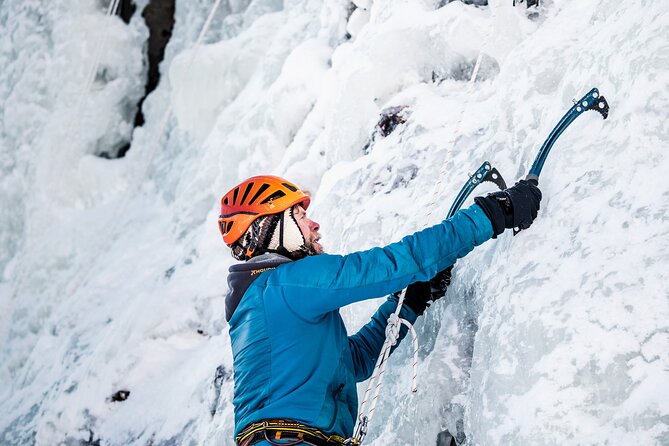
- All major climbing gear is supplied: Boots, crampons, ice axes, harness, helmet, and visor or goggles are included.
- A fire makes the cold manageable: Hot berry drinks, a light meal, and time beside the bonfire break up the effort.
- Small groups help with coaching: The maximum is eight people, and smaller bookings can mean more route choice and rest time.
- Plan for a serious workout: Moderate fitness is required, and very cold weather can make the session tougher.
From CAMP Kitchen & Bar to the ice wall
Your meeting point is CAMP Kitchen & Bar at Hotel Pyhätunturi, Kultakeronkatu 21. The activity starts at 11:30 am, so arrive ready for a prompt meet and greet with the Bliss Adventure guide. Confirmation is provided when you book, and the area is near public transportation.
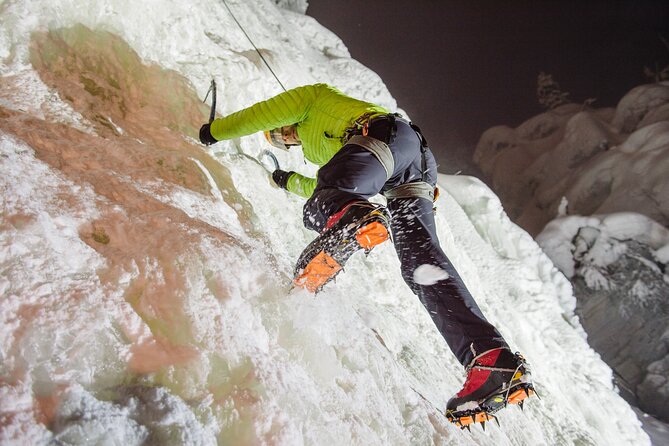
After introductions, you walk to Bliss Adventure’s nearby premises to collect your climbing kit. This is a useful start because the guide can fit your equipment before you reach the ice. The included gear covers the important pieces: climbing boots, crampons, ice axes, harness, helmet, and visor or goggles.
You do need to supply your own winter clothing. That means you should arrive dressed for prolonged time outdoors in Lapland, not simply for a short stroll between hotels. The supplied information does not specify a clothing rental option, so treat this as an important part of your preparation.
From the equipment point, your guide leads you to Tajukangas. The walk takes about 10 minutes from Hotel Pyhätunturi. That short approach keeps the tour practical and leaves more of the four-hour session for climbing rather than transport.
A few more Lapland trips worth comparing
- Half-Day Experience in Local reindeer farm in Lapland
★ 4.5 · 87 reviews - Rovaniemi: Half-Day Snowmobile & Ice Fishing Experience
★ 4.4 · 80 reviews - Half-Day Backcountry Skiing Tour in Levi with Photography Guide
★ 5.0 · 7 reviews
Tajukangas gives the session a proper base camp
At Tajukangas, the climbing ropes are already set up. This matters. You are not spending the first part of the outing watching a complicated rigging operation or carrying equipment over a long route. The guide can focus on fitting your final gear checks, explaining the plan, and getting you onto the ice safely.
A bonfire is waiting at the climbing area, along with hot berry juice and a light meal. These are not decorative extras in Lapland. Ice climbing uses plenty of energy, and the chance to warm your hands and eat between ascents changes the feel of the outing. You get a social break instead of having to push continuously through the cold.
The food is described as nutritious yet light. Specific items can vary, but local handmade pies have been part of the refreshment served on some sessions. That small touch gives the stop a distinctly Finnish feel without turning lunch into a long interruption.
The setting also lets the guide talk about Arctic nature. The storytelling is part of the included service, so the day is not only about physical instruction. You get some context about the cold environment around you while taking a break from the wall.
Your first climb: safety before height
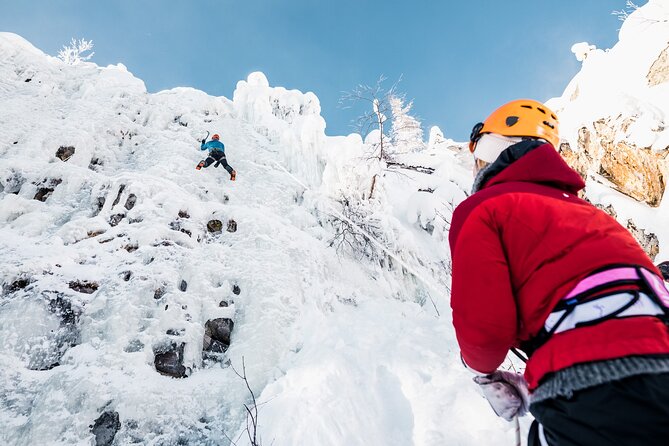
Before anyone climbs, the instructor explains the safety system clearly. You climb on top rope, with the guide belaying you from below. This is the right format for beginners because the rope is already anchored above the route, and the instructor controls the rope while you work on the ice.
The guide takes one climber at a time. That gives you direct attention during your ascent, though it also means you may spend part of the session watching your companions climb. At a maximum of eight people, the wait should be more manageable than on a large group outing, but your exact climbing time depends on the number in your booking and everyone’s pace.
Expect instruction on basic ice-climbing movement rather than just a safety briefing. You learn how to place the crampon points, swing the axes, position your body, and use your legs instead of hauling yourself upward with your arms. That last point is worth remembering. New climbers often pull too hard with their upper body, and the activity can quickly turn into a forearm workout.
The guides’ patient approach is a major strength. Inessa has been praised for helping first-time climbers through nerves, while Joonatan has provided more technical coaching for someone with previous ice-climbing experience. Redar has also been singled out for making the day both professional and enjoyable. The useful takeaway is that the instruction is not delivered in one fixed style. Your guide can give reassurance or more detailed technique advice depending on your experience.
Four hours means time to improve
A half-day format is the main reason to choose this premium option. A short introductory activity can show you the gear and let you make one attempt. Here, you can expect the possibility of several ascents, depending on your strength, stamina, and the group’s timing.
One experienced climber completed four different routes, each with its own challenge. That gives you more than repeated practice on one identical line. Route choice may vary, but the structure allows you to think about technique, not just reach the top by any means possible.
Beginners may climb around three times during the session, based on the pace described by participants. That is enough repetition to make the equipment feel less strange and to notice small improvements. You might begin by concentrating on simply staying attached to the ice. On a later ascent, you can pay more attention to foot placement, balance, and efficient axe swings.
The term premium is most meaningful here when it translates into personal attention and climbing time. The price is $226.39 per person, which is a substantial half-day cost. It becomes easier to justify if you want instruction and several attempts rather than a brief introduction. If your goal is simply to try ice climbing once for a photo, a shorter or less specialized activity could offer better value, though no alternative is specified here.
The small group limit also matters to the value calculation. If only two or three people book, you can have a more flexible session. One couple had enough room to choose routes and take longer rests after the larger group left. That kind of arrangement cannot be guaranteed, but it shows why booking a premium, small-group experience can pay off for people who want to climb seriously.
A completely different way to spend an Arctic day:
- Guided Ice Climbing Activity in Pyhä
★ 5.0 · 149 reviews - Northern lights tour to Lake Inari from Ivalo, Reindeers & Dinner
★ 4.5 · 63 reviews - Northern Lights Auroras from Kemi-Tornio with Pickup
★ 4.5 · 44 reviews - Electric Fatbike Tour in the Pyhä-Luosto National Park
★ 5.0 · 41 reviews
Warm-up breaks are part of the experience
Ice climbing is stop-and-start by nature. You climb while the guide manages the rope, then return to the ground and wait for your next turn. The bonfire turns that pause into part of the outing rather than dead time.
You can warm up, drink hot berry juice, eat the light meal, and listen to stories about the Arctic. The fire is especially useful on very cold days. One session took place at minus 25 degrees Celsius, and the guide paid close attention to a child who was getting cold. That does not mean you can ignore proper clothing, but it shows why the fire and guide supervision are valuable.
Cold also affects the ice and your equipment. At very low temperatures, the ice can feel extremely hard, making each placement more demanding. The physical challenge may increase even when the route itself has not changed. Take the rest periods seriously, and tell the instructor if you need time to warm up.
The food and drink are modest, not a full restaurant meal. That is appropriate for a climbing stop. You want something light enough to eat between efforts, with warmth and energy rather than a long sit-down lunch.
How difficult is the climb?
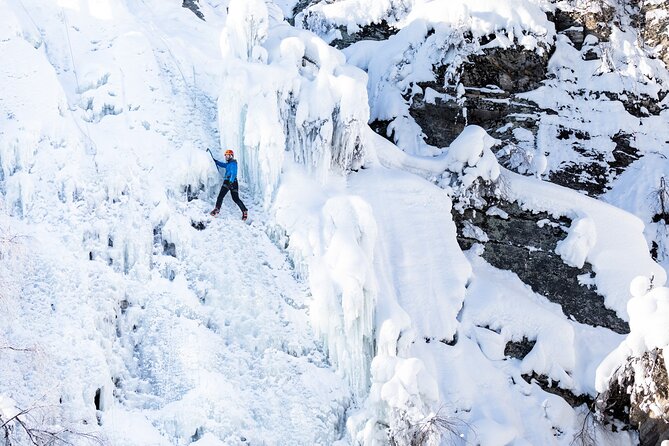
The activity calls for moderate physical fitness. You do not need to arrive as an accomplished climber, but you should expect work. Several people with no ice-climbing background reached the top with patient coaching, yet the effort left their arms and legs tired.
The guide can adjust advice to your pace, and positive encouragement is a recurring feature of the instruction. One first-time climber took a long time to reach the top but was given patience rather than pressure. That is good news if you are nervous or not naturally athletic.
Your hands, shoulders, core, and legs all contribute. Crampons give you grip on the ice, but you still need to lift your feet and trust your points. The axes require repeated swings and secure placements. If you already climb, the challenge is less about learning the idea of climbing and more about adapting your movement to ice.
Families have also used this activity with children aged six, eight, and ten, and those children reportedly enjoyed it. Still, the official information only says that participants should have moderate fitness. It does not provide a minimum age, so families should confirm suitability before booking rather than assume every child can join.
Who will get the most from this Pyhä activity?
I would choose this experience if you want more than a token taste of ice climbing. It suits you especially well if you are eager to make several attempts, learn proper movement, and accept that the day will feel like exercise.
It is also a good bridge for people with previous climbing experience. Joonatan’s coaching included technical points that helped an experienced participant progress, and the different routes offered more to think about than a single beginner wall. You do not need to be an expert, but you should want instruction rather than simply a scenic outing.
First-timers can also book with confidence if they are comfortable with heights, cold, and physical effort. The top-rope system, clear safety talk, and close belaying provide a sensible introduction. You will still need to manage nerves and make an effort on the wall.
I would hesitate if you dislike cold-weather exercise, want a relaxed sightseeing tour, or are hoping to spend most of the four hours indoors. The fire helps, but this remains an outdoor climbing session in Finnish winter conditions.
What to pack and how to judge the logistics
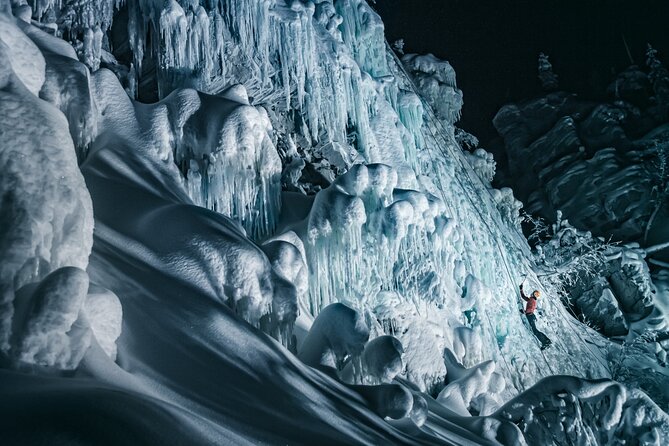
Wear suitable winter clothing from the start. Clothing is not included, and the activity requires you to remain outdoors for several hours. The information does not list a detailed packing checklist, so the safest approach is to dress for serious cold and movement rather than fashion or a short walk.
The activity ends back at the original meeting point. Since the climbing wall is reached on foot from Hotel Pyhätunturi, the plan is simple and easy to fit into a Pyhä day. You do not need to budget for a separate return transfer.
The experience is offered in English. It is booked, on average, nine days ahead, so I would not leave it until the last minute if ice climbing is a priority for your trip. The maximum group size is eight, which is small enough to support instruction but not necessarily private.
Free cancellation is available up to 24 hours before the 11:30 am start. A late cancellation or late change is not refunded. Weather can also affect the outing. If poor weather causes a cancellation, you are offered another date or a full refund. The same applies if the minimum number of participants is not reached.
Should you book the premium ice climb?
Book it if you want real time on the ice, patient instruction, and the chance to climb several routes or repeat a route until the technique starts to make sense. The combination of supplied technical gear, top-rope safety, a maximum of eight participants, a bonfire, berry juice, and a light meal makes the $226.39 price easier to defend for an active half-day.
For a first attempt, the guides’ calm coaching should help you get past the initial nerves. For experienced climbers, the four-hour length and route variety offer more value than a quick introductory ascent.
Skip it if you want a low-effort winter activity or do not have suitable clothing. This is a proper workout in a cold setting. But if you are ready to swing an axe, trust your crampons, and warm up beside a Lapland fire, this is one of Pyhä’s stronger choices for an active day.
FAQ
Where does the ice-climbing activity start?
It starts at CAMP Kitchen & Bar at Hotel Pyhätunturi, Kultakeronkatu 21, Pyhätunturi, Finland.
What time does the activity begin?
The start time is 11:30 am.
How far is the climbing venue from the meeting point?
Tajukangas is about a 10-minute walk from Hotel Pyhätunturi.
Is climbing equipment included?
Yes. The rental equipment includes climbing boots, crampons, ice axes, a harness, and a helmet with visor or goggles.
Do I need to bring winter clothing?
Yes. Suitable personal clothing for winter weather is not included.
What happens if the weather is poor?
If poor weather causes the activity to be canceled, you are offered a different date or a full refund. The experience may also be canceled if the minimum number of participants is not reached, with the same choice of another date or a full refund.
Recently added around Lapland
- Private Snowshoeing Tour In Pyhätunturi With A Local Guide★ 5.0 · 3 reviews
- Snowmobile Safari in the Forest★ 4.5 · 3 reviews
- Winter Trek★ 5.0 · 3 reviews
- Arctic Darkness & Starlight Adventure with Snowshoes★ 5.0 · 3 reviews
- Capturing Auroras in Pyhä★ 4.5 · 3 reviews
- Premium Wilderness Skiing in Pyhä-Luosto National Park★ 5.0 · 4 reviews
- Korouoma Canyon & Ranua Zoo Tour★ 5.0 · 4 reviews
- Private Northern Lights Tour With Skis Or Snowshoes in Pyhä★ 5.0 · 4 reviews
Half-Day, compared.
Half-Day Experience in Local reindeer farm in Lapland
Read our review →
Half-Day Backcountry Skiing Tour in Levi with Photography Guide
Read our review →
Half-Day Husky Safari and Salmon Ice Fishing Experience
Read our review →